

First, I’d like to share: If you’re planning an event – I beg of you to create an inclusive environment for your attendees. It hurts to be told you shouldn’t come to something because no one considered an accessible option.
Disability can happen to anyone, at any time, at any age in their life. It is almost certainly not planned. It could be temporary or permanent. But to make one thing clear, having a mobility aid literally helps people get around to be ABLE to participate. Excluding people because of their mobility aid boils down to a lack of thoughtful inclusion is hurtful and demeaning.
1. Curb Cuts
- Origin: First introduced in Kalamazoo, Michigan in the 1940s, but widely implemented after the 1973 Rehabilitation Act and later the Americans with Disabilities Act (ADA) of 1990.
- Now used by: Parents with strollers, people with luggage, skateboarders, cyclists, delivery workers, older adults.
2. Text Messaging (SMS)
- Origin: The technology was heavily promoted by the Deaf community, who needed a way to communicate without using voice.
- Now used by: Everyone! It revolutionized communication globally.
3. Closed Captioning
- Origin: Created for Deaf and hard-of-hearing individuals to enjoy television.
- Now used by: People in noisy environments (bars, gyms, airports), language learners, and people multitasking.
4. Voice Recognition / Speech-to-Text
- Origin: Developed in part to assist people with physical disabilities or those who cannot use keyboards.
- Now used by: Everyone using smart assistants (e.g., Siri, Alexa), people dictating messages while driving, and people with repetitive strain injuries.
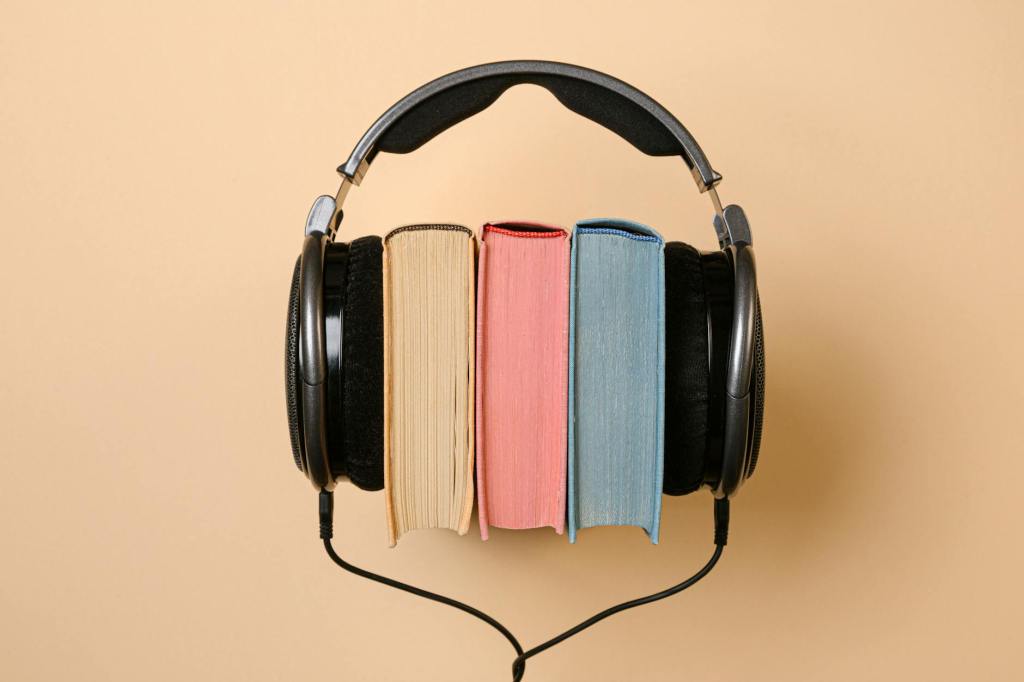
5. Audiobooks & Podcasts
- Origin: Audiobooks were originally developed for blind and low-vision readers (first called “Talking Books” in the 1930s).
- Now used by: Commuters, multitaskers, language learners, and anyone who prefers listening.
6. Electric Toothbrushes & Adaptive Tools
- Origin: Designed to assist people with limited hand mobility or arthritis.
- Now used by: The general public for convenience, effectiveness, and oral health.
7. Automatic Doors
- Origin: Initially installed to help wheelchair users and others with limited mobility.
- Now used by: Everyone carrying bags, pushing strollers, or just enjoying not having to touch a door handle.
8. Screen Readers & Alt Text
- Origin: Made to help blind and low-vision users navigate computers and the internet.
- Now used by: Voice assistants, people with learning disabilities, and in SEO optimization for businesses.
9. Accessible Websites (Keyboard Navigation, High Contrast Modes)
- Origin: For people with visual impairments or motor disabilities.
- Now used by: Power users who navigate with keyboards, people with migraines, and those in poor lighting conditions.
10. Sidewalk Tactile Paving (e.g., bumps at crosswalks)
- Origin: Created in Japan in the 1960s to help visually impaired pedestrians.
- Now used by: Everyone to increase awareness at intersections, including children and distracted walkers.
11. Universal Design in Architecture (e.g., wider doorways, lever handles)
- Origin: Rooted in accessible design principles for wheelchairs.
- Now used by: Movers, parents with strollers, older adults, and people with temporary injuries.
12. Descriptive Audio
- Origin: Made for blind and low-vision audiences.
- Now used by: People multitasking, podcast fans, and even kids learning vocabulary.
13. Ergonomic Furniture and Workspaces
- Origin: Developed in part to accommodate people with back issues or repetitive stress injuries.
- Now used by: Everyone looking for better comfort, especially in remote work setups.
These examples show that inclusive design often leads to innovations that make life easier and more enjoyable for everyone. What begins as an accommodation becomes a universal convenience. And at its heart, this is a reminder that advocating for equity isn’t charity, it’s progress.
IMAGE: Created by AI and is definitely not perfect.

 Shared Light Project
Leave a comment